
Estate house clearance specialists navigate unique challenges in second homes across UK regions. They balance preserving heirlooms with hazardous waste disposal, respecting historical contexts while adhering to local regulations and environmental standards. These experts offer strategic property disposal methods, IHT planning guidance, post-death administration support, and responsible recycling strategies. By engaging specialists, homeowners ensure a meticulously handled transition, minimizing costs, legal risks, and emotional strain during estate clearances for second homes.
Managing estate clearance for second homes presents unique complexities, particularly when navigating legal requirements, sentimental items, and potential hidden costs. As property ownership becomes more diverse, many families find themselves grappling with the task of clearing out unused residences, often located in remote areas or with unique cultural considerations. Estate house clearance specialists play a vital role here, offering expertise tailored to these challenges. This article delves into the intricacies, providing practical insights and strategies for efficient, respectful, and legally sound estate clearance processes.
- Understanding Complex Estate Clearance Processes for Second Homes
- Legal and Tax Implications: A Guide for Owners and Estate House Clearance Specialists
- Navigating Emotional and Practical Challenges at Remote Locations
- Efficient Property Disposal Strategies: Selling or Donating Assets
- Eco-Friendly Approaches: Responsible Recycling and Disposal Techniques
Understanding Complex Estate Clearance Processes for Second Homes

Estate clearance for second homes presents a unique set of challenges distinct from primary residences. This is particularly true in regions like West Sussex, Northamptonshire, and Bedfordshire, where properties often span larger areas with diverse assets. The complexity arises from several factors: the age and historical context of the property, its potential for mixed use (e.g., agricultural or commercial elements), and the emotional attachment many owners have to their second homes, making the process more delicate.
For instance, a country house in Bedfordshire, established over generations, might include valuable antique furnishings alongside outdated structures that require specialized handling. Estate house clearance specialists here need to balance preserving heirlooms with safely disposing of hazardous or obsolete materials. In Northamptonshire, where second homes often double as agricultural estates, the clearance process must accommodate the removal of machinery and livestock while ensuring responsible disposal of waste. These scenarios necessitate a nuanced approach that goes beyond standard estate clearance practices.
Expert estate house clearance specialists in West Sussex, Bedfordshire, and Northamptonshire are equipped to navigate these complexities. They employ specialized knowledge of local regulations and market values, as well as advanced equipment tailored for various clearance tasks. More importantly, they offer peace of mind by handling every aspect of the process, from initial assessment to final cleanup. This includes obtaining necessary permits, coordinating with recycling centers and charities, and ensuring compliance with environmental standards. By engaging professionals like these, homeowners can protect themselves during an estate clearance, finding solace in a meticulously handled transition that honors both the property’s history and its future.
Legal and Tax Implications: A Guide for Owners and Estate House Clearance Specialists
The legal and tax landscape surrounding estate house clearance for second homes can be complex, with unique challenges that differ from primary residences. When dealing with a second home, whether in Buckinghamshire Estate house clearance specialists, Cheshire Estate house clearance specialists, or Somerset Estate house clearance specialists, owners and professionals must navigate various regulations to ensure compliance and minimize financial impact. One of the primary considerations is inheritance tax (IHT), which can significantly affect the value of the estate. In the UK, the IHT threshold for 2023/24 stands at £325,000 for a single person and £650,000 for married or civil partners, with any amount above these thresholds subject to tax. For second homes, the value of assets, including property, is carefully evaluated to determine the taxable portion.
Estate house clearance specialists play a crucial role in helping owners manage this process efficiently. They can provide expert advice on IHT planning, such as utilizing available exemptions and allowances effectively. For instance, gifts made during a person’s lifetime can reduce the value of their estate for IHT purposes. A specialist will guide clients through these strategies while ensuring compliance with legal requirements. Additionally, they can assist in understanding the rules around residence for IHT, which differ from those for council tax or other local charges. This specialized knowledge is invaluable when dealing with second homes, as it helps to avoid costly mistakes and delays.
Another critical aspect is the administration of estate affairs after a property’s owner passes away. Estate house clearance specialists can oversee the entire process, including gathering relevant documents, managing legal formalities, and ensuring timely completion of clearances. They work closely with solicitors and other professionals to facilitate a smooth transition, especially when dealing with remote or out-of-district properties like those in Buckinghamshire, Cheshire, or Somerset. By engaging experts, families can focus on grieving and honoring their loved ones while leaving the complex details to specialists who understand the legal and tax implications involved in estate house clearance for second homes.
Navigating Emotional and Practical Challenges at Remote Locations
Navigating the complex process of estate house clearance at remote locations can present unique challenges for both individuals and professional estate house clearance specialists. These properties, often second homes in picturesque yet isolated areas like Somerset, East Sussex, or Gloucestershire, require specialized handling due to their unique characteristics. The emotional attachment families have to these places adds another layer of complexity, making the task not just a practical but also a sensitive one.
Estate house clearance specialists in these regions face the dual challenge of managing the physical aspects while addressing the sentimental value attached to these properties. For instance, they must carefully preserve heirlooms and family mementos, ensuring they reach the right recipients. Moreover, remote locations can mean limited access to resources and services, making logistics a significant hurdle. This often necessitates careful planning, specialized equipment, and robust supply chains to facilitate efficient clearance without causing damage or disruption to the local environment and community.
Practical considerations are abundant. These include securing permits for disposal of waste, coordinating with local authorities on environmental regulations, and ensuring proper handling of hazardous materials like asbestos or old electrical wiring. Estate house clearance specialists in these regions must be adept at navigating these bureaucratic hurdles while maintaining high standards of safety and sustainability. They also need to be flexible and adaptable, as each property—and family—is unique.
For instance, a recent study revealed that estate house clearances in remote areas can cost up to 25% more than urban or suburban properties due to transportation, labor, and waste removal costs. This underscores the importance of choosing experienced professionals who understand the nuances of these locations, like Somerset, East Sussex, or Gloucestershire estate house clearance specialists. By calling on their expertise, families can ensure a smooth process, preserving memories while efficiently handling the practical aspects of clearing out second homes, allowing them to move forward with closure and peace of mind. To learn how to price these services accurately, give us a call today.
Efficient Property Disposal Strategies: Selling or Donating Assets
When dealing with estate clearance for second homes, efficient property disposal strategies are paramount to navigate unique challenges. Selling or donating assets can significantly impact the process, especially when dealing with valuable items that may have sentimental value. In regions like Gloucestershire, Cambridgeshire, and West Sussex, where real estate markets vary, a strategic approach is crucial. Estate house clearance specialists in these areas understand the local dynamics, enabling them to provide tailored solutions.
For instance, high-end accessories or furniture might attract buyers in urban centers like Cambridge, while rustic antiques could find new homes in rural Gloucestershire. Experts in these regions assist in evaluating and categorizing assets, ensuring they reach their most suitable destinations. Donating items to local charities is another effective strategy, fostering community support and potentially reducing tax liabilities. Estate house clearance specialists can identify legitimate charities that accept donations, streamlining the process for clients.
Moreover, with an ever-changing market, pricing assets accurately is essential. A professional approach involves considering current trends and regional preferences. For example, vintage clothing may have a dedicated following in urban areas, whereas country homes could generate interest in rustic home décor. To help clients make informed decisions, specialists offer insights into price points, enabling them to sell or donate with confidence. Visiting us at how to price estate clothes and accessories anytime can provide additional guidance tailored to specific items.
Ultimately, efficient property disposal requires a combination of local knowledge, market understanding, and expert advice. By partnering with Gloucestershire, Cambridgeshire, or West Sussex estate house clearance specialists, clients can ensure their assets find suitable new homes while navigating the complexities of estate clearance with minimal stress and maximum efficiency.
Eco-Friendly Approaches: Responsible Recycling and Disposal Techniques
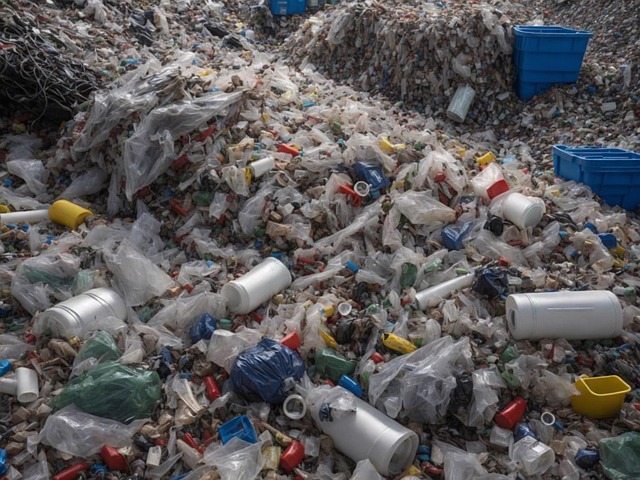
Estate house clearance specialists face unique challenges when dealing with second homes, particularly regarding eco-friendly approaches to recycling and disposal techniques. In regions like Gloucestershire, Oxfordshire, and Hampshire, where second homes are prevalent, these specialists must navigate a complex web of environmental regulations while ensuring responsible management of the vast array of items found in such properties. For instance, in a typical estate clearance, they might encounter everything from vintage furniture and clothing to electronic waste and hazardous materials. The challenge lies in separating valuable items for repurposing or resale from those that need safe disposal, all while minimizing environmental impact.
To address these challenges, estate house clearance specialists in these regions are adopting innovative strategies. One key approach is responsible recycling, which involves meticulous sorting of recyclable materials such as plastics, metals, and glass. For example, electronic waste (e-waste) from old appliances or computers can be safely recycled, preventing hazardous substances from entering the environment. Additionally, working with established recycling centers ensures that these items find their way to appropriate facilities, reducing the risk of incorrect disposal methods.
Another notable trend is the integration of upcycling and repurposing techniques. Instead of discarding valuable but outdated furniture or home decor, specialists can collaborate with local artisans or charity shops to give these items new life. This not only provides a sustainable solution but also supports local businesses and communities. For instance, an old dining set from a Hampshire estate could be refurbished and sold to a local boutique hotel, contributing to the region’s economy while promoting eco-friendly practices.
To assist homeowners in making informed decisions, estate house clearance specialists can offer expert advice on sorting items for sale, donation, or recycling. They can guide clients through the process of finding suitable outlets for their possessions, including local resale platforms or charity shops. Furthermore, by providing transparent pricing and detailed estimates, specialists like those in Gloucestershire and Oxfordshire ensure that clients understand the value of their belongings while promoting responsible estate clearance practices. Ultimately, these strategies not only contribute to a cleaner environment but also foster a sense of community and sustainability among second-home owners and local estates.
The complex nature of estate clearance for second homes presents unique challenges that require careful navigation by both owners and estate house clearance specialists. Key insights include understanding the intricate legal and tax implications, addressing emotional and practical hurdles at remote locations, and employing efficient property disposal strategies such as selling or donating assets. Additionally, adopting eco-friendly approaches through responsible recycling and disposal techniques ensures sustainability. By synthesizing these learnings, readers can now confidently manage second home estate clearances, leveraging their expertise and resources effectively while adhering to legal requirements and environmental best practices.